
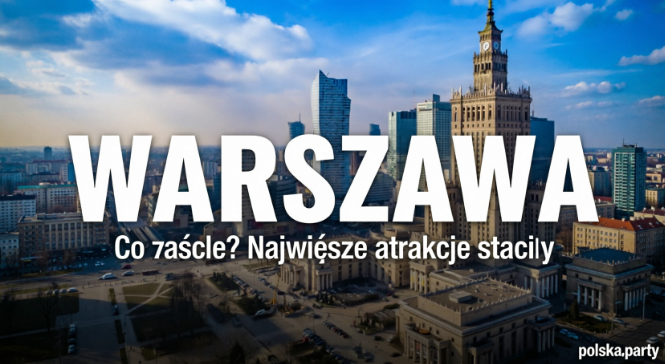
The truth is, Warsaw is a city that defies easy categorization. Dynamic, rich in history, and pulsating with energy – that’s the Polish capital for you. Prepare for a journey that will surprise you at every turn. We’ll let you in on the secret of how to discover its true face, just like the Varsovians themselves do.
Forget about dull guidebooks. Join us as we dive into its lively streets, savor local delicacies, and experience that unique atmosphere that makes you want to keep coming back to Warsaw. So, let’s get started!
Old Town and Royal Castle – A Heart Reborn
When someone asks about Warsaw, the first thing that comes to mind is, of course, the Old Town. Rebuilt brick by brick from wartime rubble, like a phoenix from the ashes, it now proudly stands on the UNESCO World Heritage list. Here, you can truly feel the spirit of history, but also witness the incredible strength and determination of its inhabitants. The Old Town Market Square is a magical place where Warsaw’s Mermaid guards urban legends, and café gardens tempt with the aroma of coffee.
Royal Castle: Don’t miss the royal chambers and apartments. It’s a significant piece of Polish history enshrined within these walls.
Editor’s Tip: Arrive in the morning, ideally right after opening, or in the late afternoon/evening to avoid the crowds. A standard ticket costs around PLN 40-50 (approx. €9.30-11.60), but on selected weekdays, admission to permanent exhibitions is free – check the Castle’s website for details!
Barbican: A short stroll along the defensive walls feels like a journey back in time. It’s a fantastic spot for photos.
A little secret from the locals: tourists flock here, so it can get really bustling on weekend afternoons. If you’re seeking peace and want to soak up the atmosphere, aim for a weekday morning or late afternoon.
Łazienki Królewskie – A Green Oasis and the Palace on the Isle
Need a break from the city bustle? Be sure to plan a visit to Łazienki Królewskie. It’s not just a park; it’s a magnificent palace and garden complex where history intertwines with nature. You’ll find lush greenery, walking paths, and peacocks freely roaming the lawns.
Palace on the Isle (Pałac na Wyspie): Absolutely stunning. Its reflection in the pond’s surface is one of the most recognizable sights in Warsaw. Admission to the Palace and selected museums costs around PLN 30 (approx. €6.98).
Amphitheatre: During summer, concerts and cultural events are often held here.
Chopin Monument: In summer, on Sunday afternoons, free piano concerts are organized here. It’s a wonderful tradition that draws crowds – arrive early to secure a good spot!
It’s good to know that the park itself is open and free to enter. You can spend an entire afternoon here, admiring the gardens, the Palace on the Isle, or the Old Orangery. It’s a perfect destination for a short escape if you want to momentarily forget the urban rush. If you’re looking for similar places for relaxation in other regions of Poland, check out our guide to peaceful relaxation in Poland’s thermal baths and spas, where nature and relaxation go hand in hand.
Warsaw Uprising Museum – A Lesson You Won’t Forget
For many, this is the most crucial point on Warsaw’s map. The Warsaw Uprising Museum (Muzeum Powstania Warszawskiego) is no ordinary museum. It’s a powerful, emotional history lesson about the courage, sacrifice, and unimaginable suffering of the city in 1944.
Remember, this is a place with a soul. The exhibitions are interactive, immersive, and portray the drama of the insurgents and civilians in a very realistic way. It’s impossible to remain indifferent.
Practical Tip: Definitely book your tickets online (price approx. PLN 25 / €5.81), especially on weekends, as the queue can be very long. Plan at least 3 hours for your visit – it’s the absolute minimum to grasp even a fraction of the events’ scale.
Getting There: The Museum is just a few steps from the “Muzeum Powstania Warszawskiego” tram stop or the “Rondo Daszyńskiego” metro station.
This isn’t just a museum; it’s a tribute to heroes and a warning for future generations. Come with an open mind and heart.
POLIN Museum of the History of Polish Jews – The Rebirth of Memory
From a completely different perspective, the POLIN Museum of the History of Polish Jews tells the story of Poland. This modern, multi-award-winning institution presents a thousand years of coexistence between Poles and Jews in these lands. The Museum stands on the site of the former Warsaw Ghetto.
The building’s architecture is as impressive as the exhibitions themselves. The interior is a labyrinth of multimedia displays that guide visitors through centuries, from the Middle Ages to contemporary times. Here, you’ll find testimonies of life and culture, but also the difficult moments of the Holocaust.
Ticket: Around PLN 30 (approx. €6.98). Remember that on Thursdays, admission to the permanent exhibition is free. It might be a bit more crowded then, but it’s a great opportunity.
Visiting Time: Realistically, you’ll need 3-4 hours to fully appreciate what the Museum has to offer.
Getting There: The most convenient way to get there is by tram (the “Nalewki-Muzeum” stop).
This place is a true hidden gem, telling an incredibly important, though often overlooked, part of Polish history. It’s well worth dedicating your time to.
Palace of Culture and Science – A Symbol and Viewpoint
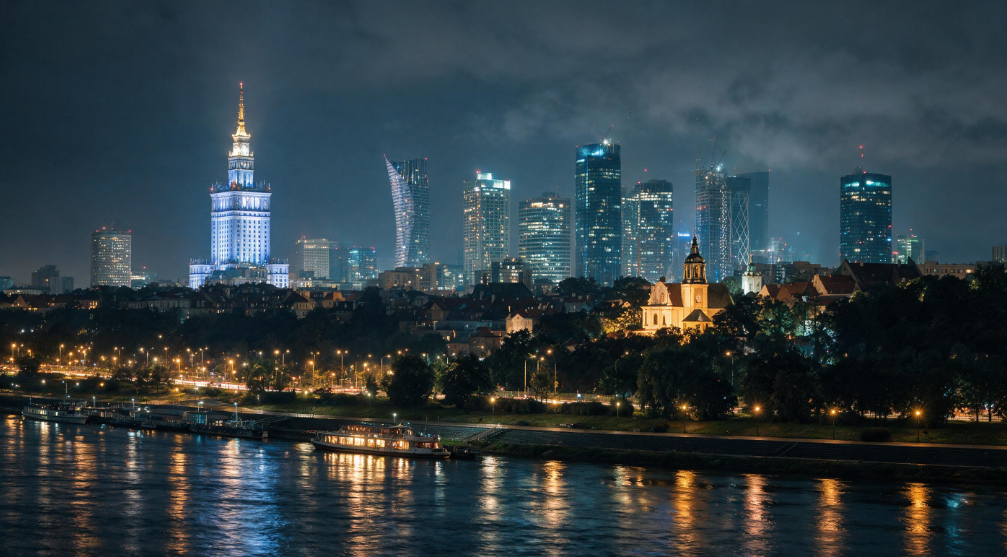
The Palace of Culture and Science (Pałac Kultury i Nauki) is a building that evokes strong emotions. Some love it, others hate it, but one thing is certain – it stands in the very heart of the city and is an inseparable part of it. Regardless of opinion, the observation deck on the 30th floor is a must-see.
Observation Deck: A lift ride to the 30th floor costs around PLN 25 (approx. €5.81). It’s the ideal spot to see a panorama of Warsaw, especially at sunset, when the city shimmers with a thousand colors.
Tip: It can be windy at the top, even in summer, so bring something warmer if you plan to admire the views for an extended period.
You can find truly good food in the numerous restaurants in the vicinity, but the Palace itself is primarily a symbol, a gallery, and a cultural center. Remember that it’s the largest building in Poland and one of the tallest in Europe. If you want to discover more about the best places for evening entertainment in major cities, be sure to read our article on the best party cities in Poland, where Warsaw ranks among the top.
Culinary Discoveries in Warsaw – Where to Eat Something Truly Good?
After an intense day of sightseeing, it’s time to refuel. Warsaw’s culinary scene is excellent, with a vast selection. From traditional Polish flavors to modern, global trends.
Pierogarnia “Zapraszam” (Freta Street): A classic. They have amazing “pierogi ruskie” (dumplings with potato and cheese) and meat pierogi. Although tourists flock here, it’s worth it. A large portion of pierogi costs around PLN 25-35 (approx. €5.81-8.14).
“U Kucharzy” (Ossolińskich Street): If you’re looking for more refined, traditional Polish cuisine, this is an excellent choice. The food is of high quality. A two-course meal will cost approximately PLN 60-90 (approx. €13.95-20.93).
“Vegan Ramen Shop” (several locations, e.g., Finlandzka Street): For fans of Asian and vegan cuisine, this is a local hit. The ramen is simply outstanding. A bowl of ramen costs around PLN 40-55 (approx. €9.30-12.79).
By the way, you can also find delicious vegan burgers in Warsaw, for example at “Krowarzywa,” if you fancy something quick and plant-based. If you want to learn more about Polish cuisine and its regional specialties, be sure to check out our guide to Polish delicacies, where we’ve gathered the best dishes from different parts of the country.