
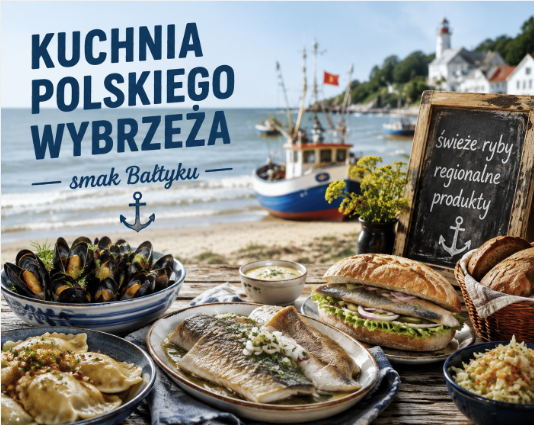
When you think of Pomerania, your mind probably immediately conjures images of golden beaches, the sound of waves, and fresh fish straight from the fishing boat. And rightly so! But the truth is, Pomeranian cuisine is much more than just cod or flounder. It’s a true mosaic of flavours, shaped over centuries by the sea, forests, and proximity to neighbouring regions. We’ll let you in on a secret: to truly get to know this region, you must allow yourself to be carried away by its culinary stories.
We’re embarking on a journey that will awaken your senses. We won’t just tell you what to eat, but most importantly, why it’s worth it. We’ll show you where to find those authentic, unique flavours that locals whisper about. Forget tourist traps – we’ll focus on authenticity and proven places that we’d recommend to friends. Prepare for a solid dose of practical tips!
Baltic Treasures on Your Plate: How to Choose the Best Fish?
There’s no Pomerania without fish, that much is clear. But there’s fish, and then there’s fresh fish. Locals have their own ways of distinguishing between the two. The best advice? Look for small fish fries (smażalnie) and restaurants located close to fishing ports, for example in Hel, Jastarnia, or Władysławowo. That’s where the boats go out in the morning, and by afternoon, their catch lands on your plate. Remember that not every fish is available year-round – seasonality is key.
Cod (Dorsz): The King of the Baltic, perfect baked or fried. Look for it outside the summer season when beach crowds are smaller, and freshness is guaranteed.
Flounder (Flądra) and Turbot (Turbot): Delicate, flat fish, often fried whole. Their crispy skin is a true delicacy. They taste best straight from the pan, with a squeeze of lemon juice.
Herring (Śledź): It doesn’t have to be boring! Kashubian-style herring with onions and mushrooms, or in mustard sauce, is an absolute classic. You can buy them at local fish markets, for instance at Hala Targowa in Gdynia.
Eel (Węgorz): Although more expensive, it’s a real luxury. Smoked eel is something you must try. It has an intense flavour and melts in your mouth. It pairs perfectly with hearty bread.
A little secret from the locals: avoid places with flashy signs shouting “Fresh Fish!”. Often, those unassuming, small stalls with a long queue of residents are the best choice. When it comes to price, fresh fish straight from the pan will cost about as much as a good meal in a mid-range restaurant, but the taste experience is priceless.
Beyond Fish: Kashubian Flavours and Forest Riches
Pomerania isn’t just about the sea; it’s also about lush forests and picturesque Kashubia, which have brought countless treasures to the region’s cuisine. Here, seasonal products, often gathered directly from nature, reign supreme on the tables. These are the flavours that tell the story of the region’s history and tradition, of its closeness to the land and its gifts.
Kashubian fruit soup (Kaszubska zupa brzadowa): A sweet and sour fruit soup made from dried plums, apples, and pears, often served with potatoes. It sounds unusual, but it’s incredibly refreshing and full of flavour.
Ruchanki: Fluffy yeast pancakes, often with apples, deep-fried and sprinkled with powdered sugar. Perfect for breakfast or an afternoon treat, cheaper than a coffee on the promenade.
Plince z pomocami: Potato pancakes with mushroom sauce. This simple, hearty dish perfectly captures the spirit of Kashubian cuisine – tasty and substantial.
Cranberry (Żurawina) and Lingonberry (Borówka brusznica): These forest fruits are the base for many sauces for meats, tinctures, and desserts. Look for homemade preserves at local markets.
Remember that authentic Kashubian flavours can often be found in agritourism farms and small, family-run restaurants off the main tourist routes, for example, around Kościerzyna or Kartuzy. It’s worth asking the hosts for recommendations – they often have homemade products that you won’t find anywhere else. If you’d like to discover more regional culinary specialities from different parts of Poland, check out our guide to Polish flavours worth trying.
Drinks with the Soul of Pomerania: From Amber to Craft Breweries
After a hearty meal, there’s always time for something to drink. And here, Pomerania surprises with its diversity! The region is famous not only for alcoholic beverages but also for original, local drinks that perfectly complement the local cuisine.
Amber tincture (Bursztynowa nalewka): This is not just a souvenir but a drink with history. Amber macerated in alcohol, though controversial in terms of its medicinal properties, has a characteristic, warm taste and aroma. Try a small portion in reputable restaurants or buy it in specialist souvenir shops.
Miodula: A traditional honey-based alcoholic beverage. It’s sweet and warming, ideal for cooler evenings by the Baltic Sea.
Local craft breweries: Pomerania is a paradise for beer lovers! In recent years, many small breweries have emerged here, offering unique flavours and styles. Look for them in Gdańsk (e.g., Brovarnia Gdańsk) or Gdynia. Craft beer prices are comparable to a cinema ticket, but the taste experience is well worth it.
Sea buckthorn juices (Soki z rokitnika): Sour, but incredibly healthy. Sea buckthorn is the “gold of the Baltic” – full of vitamins. Its juices and preserves are a great way to boost immunity, especially after the holiday season.
Remember that buying alcohol at local markets or from unverified sellers can be risky. Always opt for shops with certified products or directly from producers. This guarantees quality and authenticity.
Where to Find Authentic Flavours? Addresses and Tips
Theoretical considerations are behind us – it’s time for specifics! Below you’ll find a list of places that are truly worth visiting if you want to try authentic Pomeranian cuisine. Remember that during the summer season and on weekends, prices may increase, and popular places can get crowded, so it’s best to arrive in the morning or book a table in advance.
Tawerna Rybacka in Gdańsk: Located right next to Długi Targ, but despite its central location, it serves solid, fresh fish at affordable prices. Try their herring! Address: Długi Targ 45, Gdańsk.
Bar Przystań in Sopot: A classic. It’s located literally a few steps from the beach. This is where locals have been eating for years. Don’t be fooled by the modest decor – the fish here is always fresh, and the atmosphere genuinely maritime. Parking can be a challenge during the season, so consider taking public transport or walking. Address: Aleja Franciszka Mamuszki 14, Sopot.
Fish fries (Smażalnie) in Rowy or Ustka: In these small fishing towns, you have the best chance of getting fish straight from the fishing boat. Look for those that have their own smokehouses – that’s a guarantee of quality.
Local markets (e.g., in Kościerzyna, Kartuzy): This is where you’ll find homemade preserves, honey, cheeses, and cold cuts from local farmers. Prices are usually lower than in cities, and the quality is incomparable.
Restaurant “Czerwony Piec” in Gdynia: Offers a modern approach to Kashubian cuisine, with respect for tradition but with a touch of innovation. The cuisine is of a high standard, ideal for a more celebratory dinner. Address: Świętojańska 100, Gdynia.
Remember that Poland is not Scandinavia – restaurants here generally offer meals in the mid-price range, and it’s worth paying a little extra for quality. If you’re planning a longer trip around Pomerania and want to discover more culinary and cultural treasures of the region, check out our guide to the best attractions of the Pomeranian Voivodeship.
Practical Tips from Local Foodies: How to Eat and Explore?
To fully enjoy the culinary adventure in Pomerania, it’s worth keeping a few small details in mind that can significantly improve your experience. These are small but valuable tips that we’ve gathered over years of travel and conversations with locals.
- Seasonality is key: Look for fish and seafood according to the season. Cod tastes best in autumn and winter, flounder in spring. In summer, go for berries and mushrooms from the Kashubian forests.
- Ask about the origin: In good restaurants, the waiters will be proud to tell you where the served fish or meat comes from. This is a sign of quality and freshness.
- Don’t be afraid to experiment: Kashubian cuisine has many surprising flavour combinations. Fruit soup or potato pancakes with mushroom sauce may sound exotic, but they will surprise you positively.
- Bring cash: In some smaller fish fries or at local markets, card payments may not be possible. It’s a small thing, but it can save the day.
- A walk after the meal: After a hearty meal, especially with heavier fish or meat, nothing beats a walk along the seashore. It’s the perfect way to digest and admire the beauty of the region.
- Many museums offer free admission days – check the current schedule on the website before your visit. This will help you save on culture and spend more on culinary experiences!
We hope this guide will help you discover the true flavours of Pomerania and make your journey not only visually but also culinarily unforgettable. Bon appétit and see you on the trail!
Remember, Pomerania is not just Gdańsk or Sopot – true gems often hide in small towns, away from the hustle and bustle. That’s where you’ll find places with soul and flavours that will stay in your memory for a long time.